Advantages and Disadvantages of Brand New vs Pre-Owned Engines: Making a Smart Choice
When choosing between a new or used engine, people face a diverse array of factors. New engines promise advanced technology and warranties, however their expensive prices and quick depreciation are notable drawbacks. On the other hand, used engines represent a more cost-effective option but include uncertainties related to their condition and history. Evaluating these aspects is essential for making a sound investment. The next steps will identify which choice aligns with individual needs.
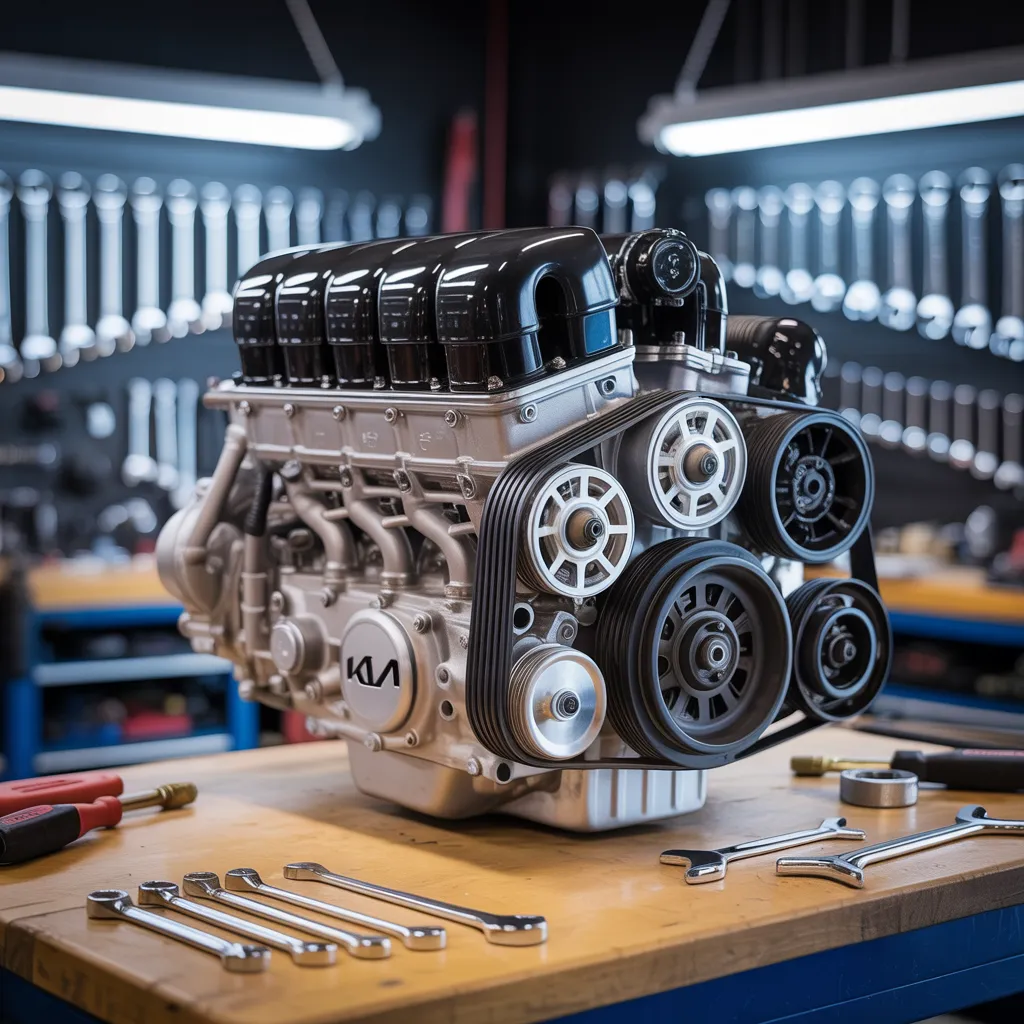
New vs. Used Engines: Which Is Right for You?
When deciding whether to invest in a used or new engine, one must weigh multiple factors that could influence the choice. A new engine often offers state-of-the-art technology, better fuel economy, and a complete warranty, delivering confidence for buyers. However, the starting price can be markedly higher, which may not fit every budget.
On the other hand, a used engine offers a more cost-effective option, potentially saving buyers money upfront. However, the risks associated with used engines include unknown wear and tear, limited warranty coverage, and the possibility of hidden defects. Buyers must also evaluate the age of the engine and its maintenance background.
Ultimately, the selection between a brand-new or second-hand engine relies on specific priorities, including budget constraints, performance expectations, and future plans for the vehicle. Examining these factors comprehensively can result in a more educated decision that corresponds to your specific needs.
What Would Make a Replacement Engine a Worthwhile Investment?
Purchasing a new engine can deliver significant perks that justify the increased starting cost. One of the main advantages is reliability; fresh engines feature manufacturer warranties, offering peace of mind against potential defects or failures. This warranty often covers elements and labor for a designated duration, minimizing unanticipated repair expenditures.
Moreover, new engines typically incorporate the latest technology, improving fuel efficiency and reducing emissions. This not only supports the environment but can also translate to lower operating costs over time. Performance is another crucial element; modern engines typically offer superior power and responsiveness, leading to a enhanced driving experience.
Moreover, a new engine can add value to a vehicle, specifically if it is well-maintained. For countless, the extended benefits of performance, fuel economy, and reliability make the investment in a new engine a wise choice, promising a much more trustworthy and enjoyable driving experience.
What Are the Disadvantages of a New Engine?
When evaluating the disadvantages of a new engine, significant initial costs often pose a significant barrier for many buyers. Furthermore, concerns about depreciation can affect long-term value, as new engines surrender worth more quickly than their used counterparts. Reduced availability issues may even more complicate the decision, making it difficult for consumers to locate the exact model they desire.
High Upfront Cost
Buying a new engine frequently comes with a hefty price tag that can deter many potential buyers. This significant initial cost is one of the most substantial downsides linked to new engines. For consumers and businesses alike, the financial burden can be considerable, especially when measured against the more budget-friendly option of a used engine. The expense may require buyers to assign a larger portion of their budget, likely impacting other financial responsibilities. Moreover, while new engines may come with warranties, the upfront investment can burden cash flow, especially for those who depend on their vehicles for daily operations. Ultimately, the significant initial cost of a new engine requires careful financial evaluation before making a purchase.
Depreciation Considerations
The substantial upfront expense of a new engine frequently causes purchasers to ignore another major drawback: depreciation. The moment a new engine is put in, it commences losing value, generally at a rate of 15-20% in the first year alone. This rapid decline can be notably concerning for those who plan to sell or trade their vehicle in the near future. Compared to used engines, which can preserve a more steady value, new engines can result in substantial financial loss if the owner decides to sell the vehicle. Moreover, the depreciation may not correspond to the performance gains gained, making it essential for buyers to evaluate long-term value versus initial investment when selecting a new engine.
Restricted Availability Problems
Limited availability of new engines can pose considerable challenges for potential buyers. Makers often experience production setbacks due to distribution issues, bringing about prolonged wait times for customers. Moreover, particular models or configurations may be tough to acquire, constraining options for those seeking certain features or performance specifications. As demand increases, prices can soar, further challenging the purchasing process. What's more, dealerships may have restricted stock on hand, pressuring consumers to settle for less than their preferences or settle for less appealing alternatives. This limited supply can ultimately cause frustration and disappointment among buyers who may be required to continue their search or consider secondhand engines instead, which can conceivably diminish their primary desire for a new engine.
Why a Second-Hand Engine Might Be an Intelligent Choice?
Though many car owners could initially prefer new engines for their reliability and guarantee protection, opting for a used engine can often be a more economical and viable option. Used engines typically come at a fraction of the investment of new ones, allowing owners to allocate funds for other essential repairs or upgrades. Also, purchasing a used engine can support sustainability efforts, as it fosters recycling and cuts down on waste in the automotive industry.
Moreover, numerous used engines are sourced from dependable vehicles that have been well-maintained, offering a reliable option for those requiring replacements. These engines frequently have a documented track record, granting potential buyers insight into their performance and longevity. Moreover, reliable suppliers frequently offer warranties or guarantees on used engines, providing an added layer of assurance. For price-conscious consumers, going with a used engine can be a prudent decision that blends cost-effectiveness with working reliability.
What Are the Risks of Used Engines?
When examining used engines, numerous risks become apparent. The unknown maintenance history can bring about unforeseen performance complications, likely affecting the vehicle's reliability. Furthermore, warranty limitations may escalate the risk of incurring unanticipated repair charges.
Unverified Repair Record
How might someone determine the true condition of a used engine when its maintenance history is commonly obscured by uncertainty? The lack of a detailed service record places potential buyers in a vulnerable position, as they cannot determine how well the engine has been looked after. Missing maintenance history may cover up previous issues like oil changes, coolant flushes, or timing belt replacements, leading to unforeseen repairs. Also, past accidents or neglect can introduce risks that are not easily apparent during inspections. This lack of transparency can produce costly consequences, including premature engine failure. As a result, buyers must balance the risks of an unknown maintenance background against the potential savings of purchasing a used engine, making knowledgeable decisions critical.
Possible Performance Problems
Unclear maintenance history greatly contributes to the risk of potential performance issues in used engines. Without detailed records, buyers cannot ascertain how well the engine was cared for, elevating the likelihood of hidden defects. Components may have sustained wear and tear, causing reduced efficiency or unexpected failures. Additionally, prior modifications or repairs could compromise performance, making it difficult to predict how the engine will function under normal conditions. Issues such as oil leaks, overheating, or poor fuel efficiency may emerge without warning. Moreover, older engines might not meet current emission standards, posing further problems. Finally, the uncertainty surrounding a used engine's condition can cause costly repairs and decreased reliability, making it vital for buyers to proceed with caution.
Warranty Restrictions and Potential Risks
Acquiring a used engine often comes with considerable warranty limitations and explore the details associated risks. Numerous used engines are sold as-is, implying that buyers may have little recourse if complications arise soon after installation. Warranty periods are often shorter than those available for new engines, and coverage may only extend to specific components, leaving potential problems unaddressed. Moreover, the history of a used engine is typically unknown, raising concerns about prior maintenance and reliability. Buyers may face extra costs for diagnostics and repairs that stem from hidden defects. These factors contribute to a higher risk of unexpected expenses, making it vital for consumers to thoroughly research the engine's history and condition before committing to a purchase.
Important Factors for Your Engine Selection
Selecting the right engine, whether brand new or pre-owned, requires several critical considerations that can significantly impact performance and longevity. Initially, one must evaluate the particular needs of the vehicle and how the engine will be utilized. Factors such as horsepower, fuel efficiency, and compatibility with existing systems are paramount.
Subsequently, budget limitations play a vital role; new engines typically come with higher upfront costs, while used engines might require extra repairs or modifications. The condition of the used engine should be thoroughly evaluated, including its maintenance history and previous usage.
Warranty choices additionally impact the selection, as fresh engines usually feature extensive coverage, offering peace of mind. Ultimately, evaluate the availability of parts and service support, which can influence long-term maintenance. Considering these factors will help secure a well-informed engine choice that meets both performance expectations and financial constraints.
Popular Questions
How Can I Confirm the Background of a Second-Hand Engine?
To check a used engine's history, you'll need to obtain the vehicle identification number (VIN), check maintenance records, review accident reports, and reference databases or services that document engine history, making sure of thorough research prior to purchase.
What Types of Warranties Are Usually Available for New Engines?
Generally, fresh engines arrive with manufacturer warranties spanning one to five years, including coverage for defects in materials and workmanship. Extended warranties may also be available, providing supplementary safeguards against potential issues during the engine's lifespan.
Are Financing Plans Available for New Engine Purchases?
Various financing choices can be found for acquiring a new engine, including dealership financing, personal loans, and credit cards. Interest rates and terms may vary, enabling buyers to pick a plan that matches their financial circumstances.
How Do Labor Costs Differ Between New and Used Engine Installations?
Installing a new engine usually involves higher labor costs compared to a used engine installation due to the involved procedures and time investment. In addition, new engines can demand specialized tools and expertise, further increasing installation expenses.
Can My Old Engine Be Sold After I Replace It?
Certainly, you can sell your old engine once you've replaced it. Several buyers and businesses actively pursue used engines for repair projects or reconstruction. Listing it online or contacting local mechanics can facilitate a successful sale.