Important Car Spare Parts You Need for a Smooth Ride
Maintaining a vehicle's performance and safety relies heavily on essential spare parts. Reliable batteries, effective brake pads, and durable tires represent only a handful of parts that serve important functions. Overlooking any of these parts can result in unexpected problems. Understanding how to choose the right parts and when to replace them can enhance the driving experience markedly. The impact of these decisions goes far beyond simple convenience, prompting consideration of what is genuinely important for a comfortable journey.
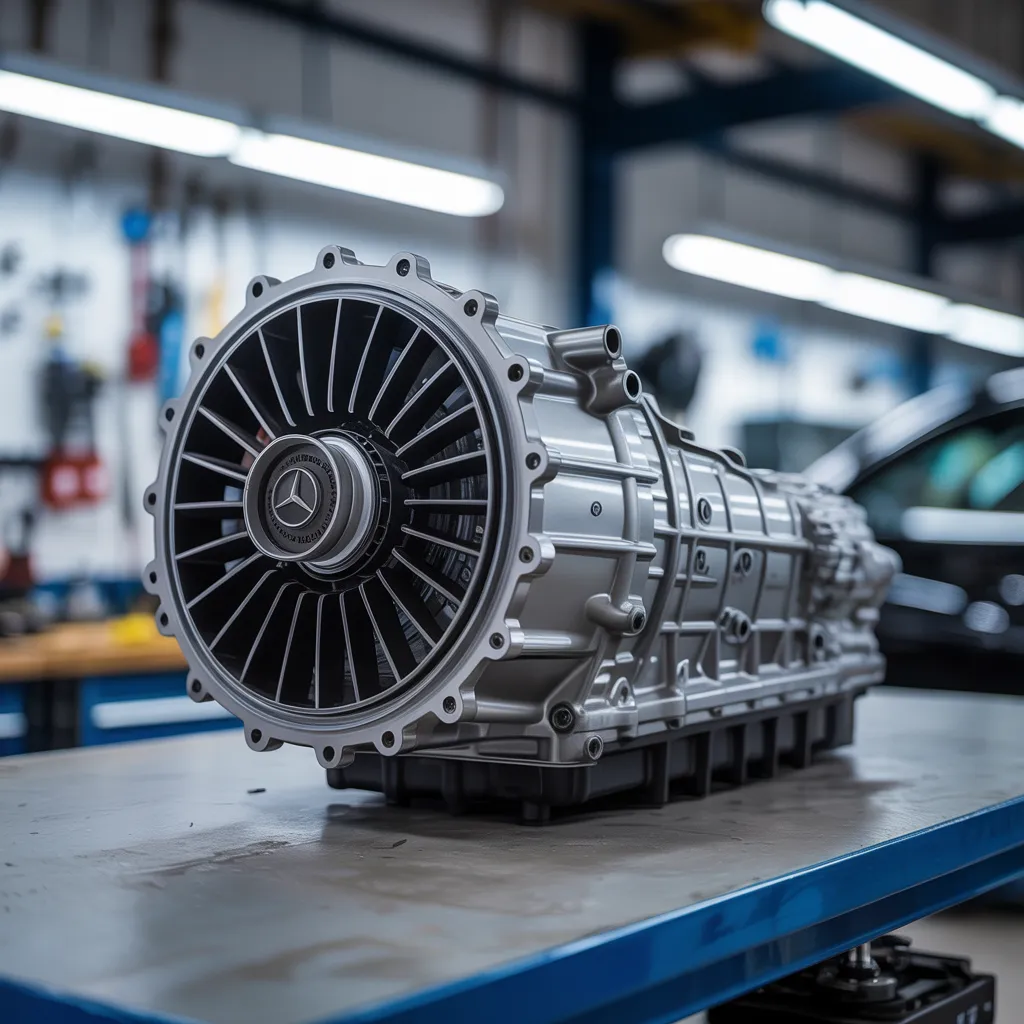
Crucial Replacement Parts for Your Car
Every vehicle owner should be aware of essential spare parts that ensure the safe and efficient functioning of their car. Key components include the car battery, which delivers the essential power needed for starting the engine and operating electrical systems. The power generator plays a significant role in sustaining battery power while the engine is running. Moreover, brake pads are essential for providing efficient braking performance, while air filters maintain engine performance by removing contaminants.
Tires are another key spare part; they influence handling, traction, and general safety. Regularly checking tire tread and pressure is important. Wiper blades contribute to visibility during rain, while headlights ensure secure nighttime driving. Finally, belts and hoses, such as the timing belt and radiator hoses, are crucial for engine function and cooling. Having these spare parts on hand not only improves vehicle dependability but also fosters a safer driving experience.
How to Choose the Right Battery for Your Car
Picking the right battery for a car is a critical aspect of maintaining vehicle performance. When choosing a battery, one must evaluate several factors. First, the battery's type and size should match the vehicle's specs, which can typically be found in the manufacturer's manual. Next, the Cold Cranking Amps CCA rating is significant, as it reflects the battery's capacity to start the engine in cold conditions. Furthermore, the Reserve Capacity RC rating indicates how long the battery can operate independently if the alternator breaks down.
Battery lifespan is another significant consideration; the majority of batteries have a lifespan of three to five additional info years. Opting for trusted brands with a proven track record of quality and reliability is strongly encouraged. Ultimately, cost should not be the only consideration. Purchasing a premium battery can help avoid unexpected failures and ensure a more reliable driving experience over time.
Why Are Brake Pads Essential for Your Safety?
Brake pads act as an important component in a vehicle's braking system, directly impacting driver and passenger safety. They produce friction on the brake rotors, permitting the vehicle to slow down or stop effectively. Worn or damaged brake pads can lead to reduced braking power, raising the likelihood of collisions. This reduced effectiveness can result in extended stopping distances, making it challenging to respond swiftly in emergency situations.
Routine inspection and prompt replacement of brake pads are essential for preserving optimal braking performance. Overlooking indicators of wear, like squeaking or grinding sounds, can result in more serious damage, such as rotor replacement, which may prove expensive. As a result, verifying that brake pads are in excellent condition is not solely a performance issue but also a crucial element of comprehensive driving safety. Motorists should make brake maintenance a priority to ensure safe journeys on the road.
Vital Components: Key Filter Units to Stock
Even though many drivers pay attention to primary components like engines and brakes, the importance of common filters in a vehicle must not be underestimated. Essential filters, such as the oil filter, air filter, and fuel filter, play a critical role in maintaining the vehicle's performance and longevity.
The oil filter removes contaminants from engine oil, guaranteeing smooth engine operation and reducing wear. The air filter blocks dust and particles from reaching the engine, boosting fuel efficiency and maximizing engine performance. Additionally, the fuel filter removes harmful particles from the fuel system, promoting ideal combustion and protecting the engine from damage.
Regularly inspecting and replacing these filters is essential for maintaining a healthy vehicle. Ignoring them may result in decreased performance, higher emissions, and potentially expensive repairs. By making filter upkeep a priority, drivers can enjoy a more comfortable ride and prolong the life of their vehicle.
When to Replace Worn Tires and Why It Matters
Tire deterioration is a vital consideration for vehicle safety and performance. Recognizing the signs of wear and understanding the importance of tread depth can prevent accidents and improve handling. Prompt replacement of deteriorated tires is crucial for preserving optimal driving conditions.
Signs of Tire Wear
Damaged tires can have a major impact on vehicle safety and performance. Vehicle owners should remain alert to multiple warning signs of tire wear. Irregular tread patterns, including bald spots or patches, suggest that the tires may require replacement. Furthermore, if the tread depth is noticeably less than the manufacturer's recommendations, this serves as an obvious warning sign. Cracks or bulges on the tire sidewalls also suggest structural damage, compromising safety. A car drifting to one side while in motion may indicate uneven tire wear, requiring prompt attention. Finally, excessive vibrations or noise while driving can indicate tire deterioration. Routine checks and recognition of these indicators are vital for preserving optimal vehicle performance and guaranteeing road safety.
Significance of Tread Depth
Keeping sufficient tread depth is crucial for vehicle safety and performance. Tread depth impacts traction, most notably in wet or slippery conditions, where insufficient depth may cause hydroplaning. A common guideline is to replace tires once tread depth drops below 2/32 of an inch. Operating a vehicle on worn tires extends stopping distances and impairs handling, making it essential to check tread wear on a regular basis. Furthermore, irregular tread wear may signal alignment or suspension problems, which should be resolved without delay. By maintaining adequate tread depth, vehicle owners boost safety, increase fuel efficiency, and extend tire longevity. Routine inspections and prompt replacements are key measures in preserving optimal performance and minimizing the chance of accidents on the road.
How to Find Quality Spare Parts for Your Vehicle
Where is it possible to locate reliable spare parts for their vehicle? Quality spare parts are essential for guaranteeing maximum performance and long-term reliability. Nearby auto parts retailers commonly supply an assortment of components, allowing customers to inspect items in person. Online retailers, such as Amazon and specialized auto parts websites, deliver accessibility and cost-effective options, frequently showcasing buyer feedback and scores to assist decisions. Furthermore, certified dealerships ensure genuine OEM components, which are crafted exclusively for specific vehicle models. Scrap yards can likewise serve as a budget-friendly alternative, providing pre-owned components that remain in serviceable condition. In addition, vehicle-related discussion boards and owner groups might supply suggestions and guidance for obtaining reliable components. Overall, utilizing a mix of these resources can help confirm that automobile owners secure the required components to keep their cars running smoothly.
Answers to Your Top Questions
How Frequently Should I Inspect My Spare Parts?
Regular checks of spare parts are recommended every 5,000 to 7,500-mile intervals or as part of scheduled maintenance. This ensures maximum performance and safe operation. Additionally, visual checks should be conducted monthly for signs of visible wear or damage.
Can I Use Used Spare Parts for My Car?
Indeed, recycled spare parts can be employed for a automobile, provided they are in proper condition and compatible. Even so, one must carefully assess their trustworthiness to guarantee safety and performance remain uncompromised.
What Tools Are Required for Spare Part Replacement?
To swap out spare parts, one typically needs essential tools such as wrenches, screwdrivers, pliers, and both a jack and a torque wrench. Such tools enable efficient removal and proper installation, ensuring proper maintenance and functionality of the vehicle.
What Are the Ways to Identify a Real Spare Part?
To identify a genuine spare part, it is important to inspect packaging for authenticity seals, review manufacturer specifications, cross-reference part numbers, and seek reputable suppliers. Furthermore, warranties and reviews can assist in verifying the part's authenticity.
How Reliable Are Aftermarket Parts When Compared to Original Ones?
Third-party parts can be trustworthy, but quality differs significantly. Shoppers should evaluate brands, examine reviews, and verify compatibility. Manufacturer parts commonly deliver reliable performance, while reliable aftermarket choices can deliver reduced costs without diminishing safety.